Cenobio: A Minimalist Font for Modern Design Needs
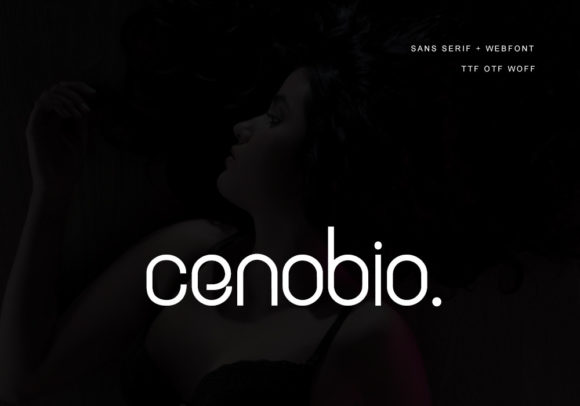
Cenobio is a simple, minimalistic, and adaptable display font that has gained attention for its clean lines and versatile application. Designed with a focus on readability and aesthetic appeal, Cenobio offers a fresh alternative to more traditional fonts commonly used in web design and print media. Its unique character set and balanced proportions make it suitable for a wide range of uses, from branding materials to digital interfaces.
What Makes Cenobio Unique?
At first glance, Cenobio appears straightforward—its design is rooted in simplicity. However, this simplicity is precisely what sets it apart. Unlike many other display fonts that prioritize visual flair over usability, Cenobio maintains a strong emphasis on clarity and legibility. This makes it particularly effective in environments where quick reading is essential, such as websites or mobile applications.
The font’s structure is geometric, yet not rigid. Each letterform is carefully crafted to ensure consistency across the entire alphabet, contributing to a cohesive visual identity. The absence of excessive ornamentation allows the text to remain uncluttered, making it an excellent choice for designers looking to maintain a minimalist approach without sacrificing impact.
One of the standout features of Cenobio is its adaptability. It performs well in both small and large sizes, which is a rare trait among display fonts. This flexibility means it can be used in a variety of contexts, from subtle background text to prominent headings, without losing its intended effect.
Comparing Cenobio with Similar Fonts
When evaluating Cenobio against other display fonts, several key differences emerge. For instance, while fonts like Montserrat or Roboto are often chosen for their modern, sans-serif appearance, they tend to have a more structured and uniform look. Cenobio, on the other hand, introduces a softer, more organic feel that can add personality to a design without overwhelming the reader.
Fonts such as Futura or Helvetica are known for their clean, geometric forms, but they often lack the subtle variations that make a font feel dynamic. Cenobio bridges this gap by incorporating slight variations in stroke width and spacing that enhance readability without compromising its minimalist aesthetic.
In terms of use cases, Cenobio is particularly well-suited for projects that require a balance between professionalism and creativity. It works exceptionally well in creative industries such as graphic design, branding, and digital marketing, where a visually appealing yet functional font is essential.
Strengths and Limitations of Cenobio
One of the primary strengths of Cenobio is its versatility. It can be used across multiple platforms and mediums, including websites, social media posts, and printed materials. This adaptability makes it a valuable asset for designers who need a consistent brand voice across different channels.
Another advantage is its accessibility. Because the font is designed with clear spacing and distinct letterforms, it is generally easy to read, even at smaller sizes. This is particularly important for users with visual impairments or those accessing content on mobile devices.
However, Cenobio is not without its limitations. As a display font, it may not be ideal for long-form text or extensive body copy. Its minimalist style, while elegant, can sometimes feel too restrained for certain applications. In such cases, a more traditional serif or sans-serif font might be a better fit.
Additionally, while Cenobio offers a unique visual identity, it may not be as widely recognized as some of its more established counterparts. This could affect its perceived legitimacy in professional settings where familiarity with a font plays a role in decision-making.
When to Choose Cenobio and When to Look for Alternatives
Cenobio is an excellent choice when you want to convey a sense of modernity and simplicity in your design. It is particularly well-suited for projects that emphasize minimalism, such as logos, headlines, or promotional materials. Its clean appearance also makes it a good fit for tech-oriented brands or startups looking to establish a contemporary image.
On the other hand, if your project requires a more traditional or classic look, Cenobio may not be the best option. For example, in formal documents, legal texts, or academic publications, a serif font like Times New Roman or Garamond might be more appropriate. These fonts are designed for extended reading and offer a level of formality that Cenobio does not provide.
For designers working on large-scale content, such as e-books or lengthy articles, it is advisable to pair Cenobio with a more readable body font. This approach allows you to leverage the visual appeal of Cenobio for headings and titles while ensuring that the main text remains accessible and comfortable to read.
Practical Examples of Using Cenobio
Consider a website for a boutique clothing store. The homepage might feature a bold Cenobio headline to grab attention, followed by a more standard sans-serif font for product descriptions. This combination creates a visually engaging layout that highlights the brand’s personality while maintaining readability.
Another example is a business card design. Cenobio can be used for the company name and tagline, offering a modern and memorable look. The rest of the information, such as contact details, can be presented in a simpler, more conventional font to ensure clarity and professionalism.
In digital marketing, Cenobio can be used to create eye-catching social media graphics or email subject lines. Its clean and distinctive appearance helps content stand out in a crowded online space, making it an effective tool for brand awareness and engagement.
Making an Informed Decision
Choosing the right font is a critical part of any design project, and Cenobio offers a compelling option for those seeking a minimalist, adaptable solution. Its unique characteristics make it ideal for specific use cases, but it is important to consider the broader context of your design goals.
Ultimately, the decision to use Cenobio should be based on your specific needs and the overall message you wish to convey. If you value simplicity, readability, and a modern aesthetic, Cenobio is likely a strong contender. However, if your project requires a more traditional or versatile font, exploring alternatives may be necessary.
By understanding the strengths and limitations of Cenobio, you can make a more informed choice that aligns with your design objectives and audience expectations. Whether you’re creating a website, a logo, or a print publication, selecting the right font can significantly enhance the effectiveness of your communication.