Lindsay: A Cool and Fun Display Font for Modern Design Needs
In the ever-evolving world of web design and branding, typography plays a crucial role in shaping the visual identity of a project. One font that has gained popularity for its modern aesthetic and versatility is Lindsay. Known for its cool and fun appearance, Lindsay is more than just a stylish typeface—it's a powerful tool for designers looking to make an impact with their work.
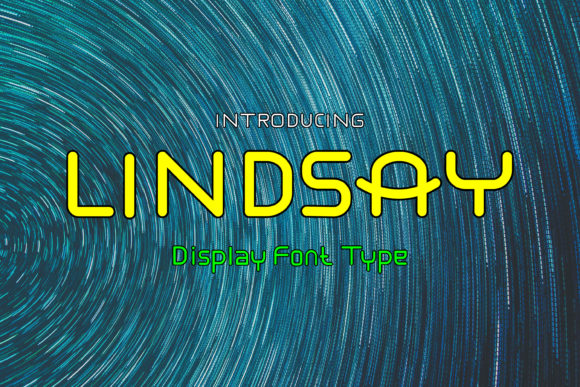
Lindsay is a display font designed to stand out. Its clean lines and bold character shapes give it a high-tech feel that aligns well with contemporary design trends. Whether you're working on a website, business card, or promotional material, Lindsay offers a unique way to elevate your visual content without sacrificing readability or style.
When Is Lindsay the Right Choice?
Choosing the right font can be challenging, especially when balancing aesthetics with functionality. Lindsay shines in situations where you want to add a touch of personality while maintaining clarity. Here are some scenarios where Lindsay might be the perfect fit:
- Web Design: For headers, buttons, or call-to-action sections, Lindsay adds a modern flair that draws attention without overwhelming the user.
- Branding: If you're creating a brand identity that needs to feel fresh and innovative, Lindsay can help convey that message effectively.
- Print Materials: Business cards, posters, and brochures benefit from Lindsay's strong visual presence, making them memorable and eye-catching.
- Marketing Collateral: From social media posts to email templates, Lindsay's versatility makes it ideal for a wide range of digital and print applications.
However, it's important to consider the context in which you'll be using Lindsay. Because it's a display font, it's best suited for headings and short text rather than long body copy. For extended content, pairing Lindsay with a more readable serif or sans-serif font can create a balanced and professional look.
How Lindsay Can Help Address Common Design Challenges
Designers often face challenges such as standing out in a crowded market, ensuring legibility across different platforms, and creating a cohesive brand image. Lindsay offers practical solutions to these issues:
First, its distinctive style helps your content stand out. In a digital landscape filled with similar fonts, Lindsay's unique shape and modern vibe can make your design feel fresh and original. This is especially valuable for websites or marketing materials aiming to capture attention quickly.
Second, Lindsay's clear structure ensures that even at smaller sizes, the text remains legible. While it may not be the most traditional choice, its design allows for good contrast and spacing, which is essential for readability on screens and printed materials alike.
Finally, Lindsay supports a wide range of use cases, making it a flexible option for different projects. Whether you're designing a logo, a banner, or a social media graphic, Lindsay adapts well to various formats and mediums.
Practical Applications of Lindsay in Real-World Scenarios
To truly understand how Lindsay can be applied, let's explore some real-world examples:
Example 1: Website Headers
Using Lindsay for your website's main heading can immediately set the tone for your brand. Its bold and stylized appearance adds a sense of confidence and innovation, which is particularly effective for tech startups, creative agencies, or lifestyle brands looking to make a statement.
Example 2: Social Media Posts
For Instagram, Twitter, or Facebook, Lindsay can be used in captions, tags, or profile headers. Its playful yet professional look makes it ideal for content that needs to be both engaging and visually appealing.
Example 3: Print Materials
When designing a flyer or brochure, Lindsay can serve as the primary font for titles and key information. It adds a dynamic element that complements the overall layout, helping to guide the viewer's eye through the content.
These applications demonstrate how Lindsay can be tailored to meet specific design goals, whether it's enhancing brand recognition, improving visual hierarchy, or increasing engagement.
Considerations for Using Lindsay Effectively
While Lindsay offers many benefits, there are a few considerations to keep in mind when using it in your projects:
- Contrast: Ensure that Lindsay stands out against the background by choosing appropriate colors and layouts. High contrast improves readability and visual impact.
- Pairing: As mentioned earlier, avoid using Lindsay for long blocks of text. Instead, pair it with a complementary body font to maintain balance and readability.
- Accessibility: Always test how Lindsay appears on different devices and screen sizes. Make sure it remains legible and doesn't cause any usability issues.
- Consistency: Use Lindsay consistently throughout your design to maintain a cohesive brand identity. Avoid mixing it with too many other fonts unless it serves a specific purpose.
By keeping these factors in mind, you can maximize the effectiveness of Lindsay in your design work while ensuring a positive user experience.
Who Benefits Most from Using Lindsay?
Lindsay is particularly well-suited for designers, marketers, and small business owners who want to make a strong visual impression without compromising on quality. It’s also a great choice for creative professionals looking to differentiate their work in a competitive industry.
However, the approach to using Lindsay may vary depending on the user's experience level and design goals. Beginners might start by using it for simple projects like social media graphics or website headers, while more advanced users could experiment with integrating it into complex layouts or branding strategies.
Ultimately, the key to success with Lindsay lies in understanding its strengths and limitations, and applying it thoughtfully to achieve the desired outcome.