Sweet Home: The Handwritten Touch That Elevates Design
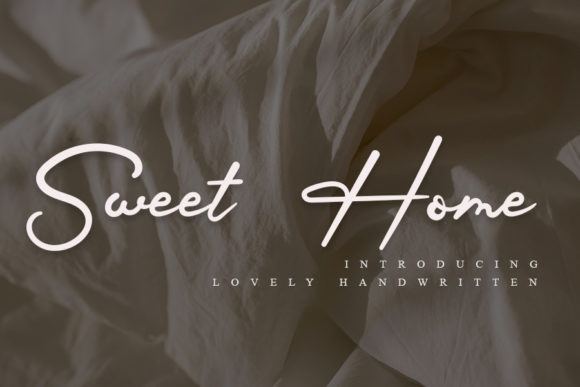
When it comes to design, there's something undeniably special about a handwritten touch. Sweet Home is more than just a font—it’s a style, a feeling, and a way to bring warmth and personality to any project. Whether you're crafting wedding invitations, thank you cards, or business logos, Sweet Home offers a charming and elegant aesthetic that feels both personal and professional.
Why Sweet Home Stands Out
Sweet Home is known for its soft curves, delicate strokes, and gentle flow. It’s designed to mimic the natural, organic feel of handwriting, making it perfect for projects where a human touch is essential. Unlike many other fonts that can feel sterile or too formal, Sweet Home brings a sense of intimacy and authenticity to every piece it adorns.
Its versatility is one of its greatest strengths. From greeting cards to logos, from thank you notes to branding materials, Sweet Home adapts seamlessly. This makes it a favorite among designers, entrepreneurs, and hobbyists alike who want to create visually appealing content without sacrificing character.
Common Mistakes When Using Sweet Home
While Sweet Home is a powerful tool, using it incorrectly can lead to less-than-ideal results. Here are some common mistakes people make when working with this font:
- Ignoring Readability: Because Sweet Home has a handwritten feel, it can sometimes be difficult to read, especially at smaller sizes. If not used properly, it might confuse your audience or make your message unclear.
- Overusing It: Applying Sweet Home to everything can dilute its impact. Overuse can make your designs look unprofessional or inconsistent.
- Not Matching It With Other Fonts: Pairing Sweet Home with poorly chosen complementary fonts can create visual clutter and reduce the overall appeal of your design.
- Using It in Low-Quality Formats: Poor resolution or incorrect file formats can cause Sweet Home to appear blurry or distorted, which can damage the perception of your work.
How These Mistakes Affect Your Work
Each of these errors can have real consequences. Poor readability can lead to misunderstandings or missed messages. Overuse can make your brand seem unrefined or inconsistent. Inconsistent font pairings can distract from your main message. And low-quality files can harm your credibility, especially if you're presenting work professionally.
For example, if you're creating a logo for a small business and use Sweet Home in a low-resolution image, the final print may look blurry or unprofessional. This could negatively affect how potential customers perceive your brand.
Practical Tips to Avoid Common Pitfalls
Using Sweet Home effectively requires some thought and planning. Here are a few practical tips to help you avoid the most common mistakes:
- Test Readability First: Always preview your design at different sizes to ensure the text remains legible. Use larger sizes for headings and smaller ones for body text.
- Use It Sparingly: Save Sweet Home for key elements like headers, signatures, or call-to-action buttons. Use it in moderation to maintain its impact.
- Pair Thoughtfully: Combine Sweet Home with clean, modern fonts for contrast. This creates a balanced and visually appealing design.
- Check File Quality: Ensure that your design files are high-resolution and suitable for both digital and print use. Avoid using compressed or low-quality images.
- Consider Your Audience: Think about who will be viewing your design. If your audience is older or prefers traditional aesthetics, Sweet Home may be a great fit. However, if your target demographic is more modern, consider alternative fonts that still offer a unique but more contemporary feel.
What to Check Before Using Sweet Home
Before diving into a project with Sweet Home, take a moment to evaluate a few key factors:
- Font Licensing: Make sure you’re using Sweet Home within the allowed scope of its license. Some fonts are free for personal use only, while others require purchase for commercial projects.
- Design Context: Consider whether the font aligns with the overall tone and purpose of your project. Is it appropriate for a wedding invitation? A greeting card? A logo?
- Compatibility: Test the font across different platforms and devices to ensure it displays correctly everywhere. Some systems may not support certain fonts by default.
- Consistency: Maintain consistency in your design. If you're using Sweet Home, ensure that it's applied consistently throughout all elements of your project.
Conclusion
Sweet Home is a beautiful and versatile font that can elevate your designs with a touch of elegance and charm. By understanding its strengths and limitations, and avoiding common mistakes, you can use it to create stunning, impactful work. Whether you're a beginner or a seasoned designer, taking the time to choose and apply Sweet Home wisely will help you achieve better results and greater satisfaction in your creative projects.