Shelly: A Handwritten Font with Timeless Appeal
Designing with the right font can elevate a project from ordinary to exceptional. Shelly is a handwritten font that stands out for its distinct, delicate, and timeless qualities. Whether you're crafting wedding invitations, thank you cards, or logos, Shelly offers a unique visual language that blends elegance with approachability. Its charm lies not only in its aesthetic but also in its versatility across various design contexts.
The Essence of Shelly
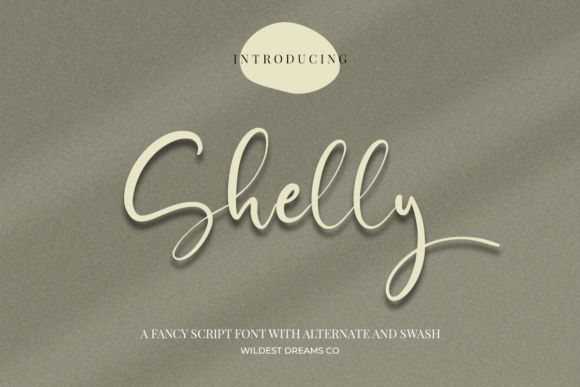
Shelly is more than just a font—it's an expression. It captures the essence of handwritten script with a level of refinement that feels both natural and intentional. Unlike many other handwritten fonts that can appear messy or inconsistent, Shelly maintains a clean, legible structure while retaining the warmth and personality of hand-drawn typography.
What makes Shelly particularly noteworthy is its ability to balance delicacy with clarity. The strokes are soft yet precise, allowing it to maintain readability even at smaller sizes. This characteristic is especially valuable for designers working on materials like business cards or digital content where space is limited.
Key Characteristics and Strengths
One of the defining features of Shelly is its subtle variation in stroke weight. This adds a sense of movement and life to the text, making it feel more organic and less mechanical. The font also includes a range of stylistic alternates and ligatures, which can be used to enhance the visual interest of longer texts or quotes.
- Delicate yet legible: Shelly’s fine lines and gentle curves make it ideal for both print and digital media.
- Timeless appeal: Its design avoids current trends, ensuring it remains relevant for years to come.
- High-quality rendering: Whether used in print or on screen, Shelly maintains consistent quality across different platforms.
- Flexibility in use: From formal invitations to casual greeting cards, Shelly adapts well to a wide variety of applications.
Its neutral tone and elegant structure make it a versatile choice for both personal and professional projects. For instance, a small business owner might use Shelly for branding materials, while a blogger could incorporate it into social media posts or blog headers to add a touch of sophistication.
Real-World Applications and Performance
When evaluating a font, it's essential to consider how it performs in real-world scenarios. Shelly excels in situations where a handwritten touch is desired without sacrificing readability. It works exceptionally well in short-form content such as headlines, call-to-action buttons, and taglines. In longer texts, however, its delicate nature may require careful spacing and sizing to ensure clarity.
For example, a designer creating a wedding invitation might choose Shelly for the main text to convey intimacy and elegance. However, they might opt for a sans-serif font for the body text to maintain legibility. This combination allows the design to remain visually engaging while ensuring the message is easily understood.
Another practical consideration is the font's performance across different mediums. Shelly renders well in both print and digital formats, though it's important to test its appearance at various sizes and resolutions. When used in web design, it should be paired with appropriate web-safe alternatives or web fonts to ensure compatibility and consistency.
Who Benefits Most from Shelly?
Shelly is particularly suited for individuals and businesses that value aesthetics without compromising functionality. It appeals to a broad audience, including professionals, entrepreneurs, and creatives who seek to add a personal touch to their work.
Marketers and brand strategists may find Shelly useful for creating branded materials that reflect a warm, inviting personality. Educators and publishers might use it in lesson plans or book covers to make content more engaging for younger audiences. Freelancers and bloggers can incorporate Shelly into their portfolios or websites to showcase a refined, artistic sensibility.
Additionally, hobbyists and DIY enthusiasts will appreciate Shelly's adaptability. Whether crafting handmade cards or designing custom merchandise, the font provides a stylish and approachable option that aligns with personal creativity.
Limitations and Considerations
While Shelly has many strengths, it is not without limitations. One potential drawback is its suitability for very long texts. Due to its delicate nature, it may become difficult to read when used in large blocks of text. Designers should consider using it sparingly or pairing it with other fonts for optimal results.
Another factor to keep in mind is the font's availability. While Shelly is widely accessible through most font repositories, some versions may require purchase or subscription. It's important to verify licensing terms before using it in commercial or public-facing projects.
Furthermore, while Shelly is designed for a wide range of applications, it may not be the best choice for all audiences. For instance, in highly formal or corporate settings, a more structured font might be more appropriate. However, in creative or personal contexts, Shelly's charm and uniqueness shine through.
Practical Recommendations
If you're considering Shelly for your next project, start by assessing your specific needs. Ask yourself: What is the purpose of the text? Who is the target audience? How will it be used? These questions will help determine whether Shelly is the right fit.
For short, impactful messages, Shelly can be a powerful tool. Use it to highlight key phrases, quotes, or titles. When incorporating it into larger designs, ensure it complements other elements rather than overshadowing them. Testing the font in different contexts will provide valuable insights into its performance and usability.
Ultimately, Shelly is a font that rewards thoughtful application. Its beauty lies in its ability to blend elegance with approachability, making it a valuable asset for anyone looking to add a handwritten touch to their work.