Rhapsody: A Versatile Handwritten Font for Creative Design
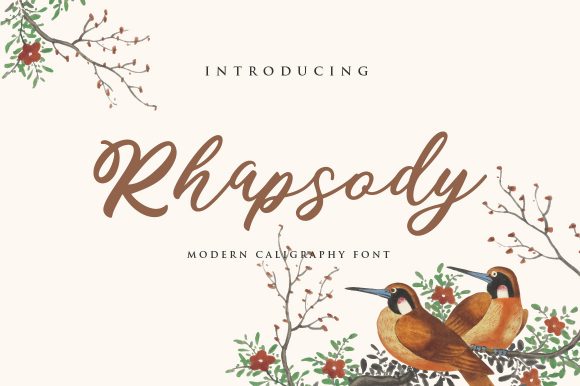
Rhapsody is a modern and elegant handwritten font that brings a unique aesthetic to any design project. Its flowing, organic style makes it ideal for a wide range of applications, from wedding invitations to greeting cards and business logos. The font’s clean lines and expressive character set offer both versatility and visual appeal, making it a popular choice among designers looking for a customized touch.
What Makes Rhapsody Stand Out?
Rhapsody is more than just a beautiful font—it’s designed with functionality in mind. One of its standout features is its PUA (Private Use Area) encoding, which allows users to access all glyphs and swashes easily. This means that designers can fully utilize the font’s character set without limitations, whether they're working on intricate designs or simple text layouts.
The font’s design blends traditional handwriting with contemporary typography. It maintains a sense of elegance while still feeling approachable and modern. This balance makes it suitable for both formal and informal projects, depending on how it's styled and applied.
Rhapsody also offers a good level of customization. Its open letterforms allow for creative spacing and alignment, giving designers the flexibility to adapt it to different mediums. Whether used in print or digital formats, Rhapsody retains its readability and visual impact.
Comparing Rhapsody with Similar Fonts
While there are many handwritten fonts available, Rhapsody distinguishes itself through its modern interpretation and accessibility. For instance, fonts like Cursive or Script MT Bold are classic choices but often lack the contemporary flair that Rhapsody provides. These older fonts may feel outdated in modern design contexts, whereas Rhapsody feels fresh and relevant.
Another common alternative is Serif or San-serif fonts, which are more structured and less decorative. While these are great for professional or minimalist designs, they don’t offer the same level of personality or creativity as Rhapsody. If your goal is to make an impression with a more artistic and expressive typeface, Rhapsody is a better fit.
For those who prefer a more stylized approach, fonts like Brush Script or Playfair Display might be considered. However, these fonts often come with limitations in terms of glyph availability and customization. Rhapsody, on the other hand, provides a comprehensive character set that supports a wider variety of design needs.
Strengths and Limitations of Rhapsody
One of Rhapsody’s greatest strengths is its versatility. It works well across multiple platforms and media types, including print, web, and mobile applications. This adaptability makes it a valuable tool for designers who need a consistent look across various projects.
The font also excels in creating a personal and intimate feel. Its handwritten nature adds a human touch to otherwise impersonal designs, which is particularly useful for wedding invitations, thank you notes, and other personal correspondence.
However, like any font, Rhapsody has its limitations. Because it is a handwritten style, it may not be the best choice for long-form text or highly technical documents. The font’s design is optimized for short phrases and headings rather than extended paragraphs.
Additionally, while Rhapsody is PUA encoded, this feature requires some technical knowledge to fully utilize. Users who are not familiar with font encoding may find it challenging to access all glyphs and swashes without additional tools or guidance.
When to Choose Rhapsody
Rhapsody is an excellent choice when you want to add a creative and personalized element to your design. It shines in situations where a unique, artistic touch is needed, such as:
- Wedding Invitations: Rhapsody’s elegant and flowing style creates a romantic and sophisticated atmosphere.
- Thank You Cards: Its warm and friendly appearance makes it perfect for expressing gratitude in a heartfelt way.
- Greeting Cards: Whether it's a birthday, anniversary, or holiday card, Rhapsody adds a special charm.
- Logos and Branding: Its distinctive style can help a brand stand out in a competitive market.
- Business Cards: A custom-designed business card using Rhapsody can leave a lasting impression.
In these scenarios, the font’s ability to convey emotion and personality becomes a key advantage. It helps create a connection between the viewer and the message being communicated.
When to Consider Alternatives
While Rhapsody is a strong option in many cases, there are situations where alternatives may be more appropriate. For example:
If you’re designing a document that requires extensive text, such as a report or a book, a serif or sans-serif font would likely be more readable and professional. Similarly, if you need a font that supports multiple languages or complex characters, you may need to explore other options that offer greater linguistic support.
For projects that require a more structured or formal appearance, fonts like Arial, Times New Roman, or Helvetica might be better suited. These fonts provide a clean and reliable look that is well-suited for business or academic settings.
Ultimately, the decision comes down to the specific needs of your project. Rhapsody is ideal for creative and expressive designs, but it may not be the best fit for every situation.
Practical Examples and Comparisons
To illustrate how Rhapsody performs in real-world applications, consider the following examples:
Example 1: Wedding Invitation
Using Rhapsody for a wedding invitation creates a romantic and elegant feel. The font’s flowing script complements the theme of love and celebration, making it a natural choice for such a significant event.
Example 2: Business Card
A business card featuring Rhapsody can make a strong first impression. The font’s unique style helps differentiate the card from standard, generic designs, reinforcing the brand’s identity.
Example 3: Website Header
On a website, Rhapsody can be used as a header font to draw attention and add visual interest. When paired with a simpler body font, it maintains readability while still offering a stylish touch.
These examples highlight how Rhapsody can be adapted to different contexts, provided it aligns with the overall design goals.
Making an Informed Decision
Choosing the right font depends on several factors, including the purpose of the design, the target audience, and the medium in which it will be used. Rhapsody is an excellent option for those seeking a creative and expressive typeface, but it’s important to evaluate its suitability for your specific needs.
If you value aesthetics and personalization, Rhapsody is a strong contender. However, if your project requires clarity, professionalism, or multilingual support, you may need to consider other fonts that better meet those criteria.
Ultimately, the goal is to select a font that enhances the message and experience of your design. Rhapsody offers a compelling combination of beauty and functionality, making it a valuable tool for designers looking to add a unique touch to their work.