Garamond: The Elegant and Versatile Typeface That Transcends Time
When it comes to typography, the right font can make all the difference. Whether you're designing a website, creating a business card, or crafting a document, choosing the appropriate typeface is crucial. One such font that has stood the test of time and continues to captivate designers and users alike is Garamond. Known for its elegant curves, refined structure, and modern appeal, Garamond is more than just a font—it's a statement.
What Is Garamond?
Garamond is a serif typeface designed by French typographer Henri Garamond in the late 16th century. Originally created for printing classical texts, it was later refined and adapted over the centuries. Today, Garamond is widely used across various digital and print media due to its timeless aesthetic and readability.
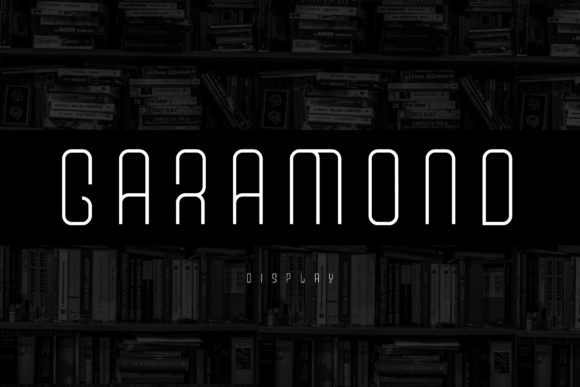
The font is characterized by its thin, elegant letterforms, subtle serifs, and balanced proportions. These features give it a sophisticated yet approachable look that works well in both formal and informal contexts. Its design is often described as "modern" because of how it blends traditional craftsmanship with contemporary visual appeal.
A Brief History of Garamond
Henri Garamond began his work in the 1530s, during the Renaissance period, when typography was evolving rapidly. His designs were inspired by the humanist ideals of the time, emphasizing clarity, beauty, and the natural flow of language. Over time, his fonts became the standard for many European printers, and they remained popular even as new typefaces emerged.
Today, Garamond has been reimagined by several foundries, including Adobe, Monotype, and Linotype, each offering their own interpretation of the classic design. These modern versions ensure that the font remains relevant in the digital age while preserving its original charm.
Why Choose Garamond for Your Projects?
Garamond is not just a beautiful font—it’s also highly functional. Here are some reasons why it’s an excellent choice for a wide range of design projects:
- Readability: Despite its elegant appearance, Garamond is surprisingly readable, making it suitable for long-form content like articles, reports, and books.
- Visual Appeal: The thin strokes and delicate serifs add a touch of sophistication, making it ideal for branding, logos, and creative layouts.
- Adaptability: It works well in both digital and print formats, whether you're designing a website, a flyer, or a book cover.
- Timeless Design: Its classic style ensures that your project will never feel outdated, no matter the trends in design.
Where Can You Use Garamond?
Garamond is incredibly versatile and can be used in a variety of settings. Here are some common applications:
- Web Design: Garamond is excellent for headings, titles, and body text on websites. Its clean lines and legibility make it a great choice for both desktop and mobile layouts.
- Business Cards and Logos: The font's elegance makes it perfect for professional branding. It adds a sense of trust and reliability to your company's identity.
- Print Media: From brochures to magazines, Garamond enhances the visual quality of printed materials without sacrificing readability.
- Academic and Educational Materials: Its classic style is well-suited for textbooks, research papers, and educational resources.
Understanding Common Misconceptions About Garamond
Despite its popularity, there are some misconceptions about Garamond that might lead people to overlook its potential. Let's clarify a few:
- Myth: Garamond is only for print. Reality: While it originated in print, modern versions of Garamond are fully optimized for digital use, ensuring compatibility across platforms and devices.
- Myth: Garamond is hard to read. Reality: With proper spacing and contrast, Garamond is highly readable and even preferred for long-form content due to its clean, open letterforms.
- Myth: Garamond is too old-fashioned. Reality: Its design elements have been updated to suit modern aesthetics, making it a fresh and relevant choice for contemporary design.
How to Use Garamond Effectively
To get the most out of Garamond, consider the following tips:
- Pair It Wisely: Garamond pairs well with sans-serif fonts for a balanced look. For example, using Garamond for headlines and a sans-serif font like Helvetica for body text creates a harmonious design.
- Use It Sparingly: Because of its elegance, Garamond should be used strategically—save it for headings, logos, or key messages rather than entire documents.
- Ensure Proper Contrast: Make sure the font color stands out against the background. Light text on dark backgrounds or vice versa can enhance readability and visual impact.
- Test Across Devices: Always preview your design on different screens and resolutions to ensure that Garamond looks great everywhere.
Examples of Garamond in Action
Here are a few real-world examples where Garamond has made a significant impact:
- Brand Identity: Many luxury brands use Garamond in their logos and marketing materials to convey sophistication and exclusivity.
- Book Covers: Authors and publishers often choose Garamond for book covers to create an elegant and inviting first impression.
- Website Headers: Websites that aim for a modern, artistic feel frequently incorporate Garamond into their header sections to draw attention and set the tone.
Conclusion: Why Garamond Still Matters Today
In a world where design trends come and go, Garamond remains a constant. Its blend of elegance, readability, and adaptability makes it a valuable asset for designers, businesses, and creatives alike. Whether you're building a website, designing a logo, or writing a report, Garamond offers a timeless solution that enhances both form and function.
By understanding its history, purpose, and practical applications, you can harness the power of Garamond to elevate your projects and leave a lasting impression. So next time you're choosing a font, consider Garamond—it might just be the perfect fit for your needs.