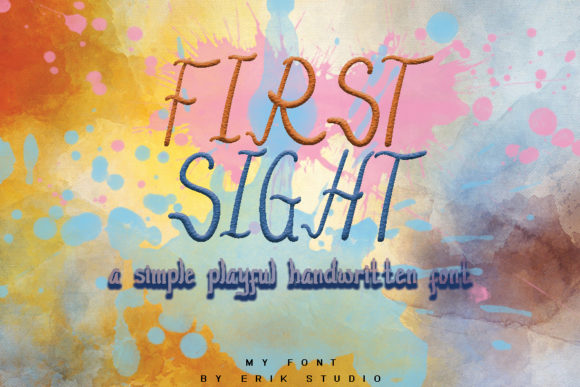
First Sight: A Strategic Tool for Creative and Professional Expression
In a world where visual communication is more critical than ever, the right font can make all the difference. First Sight is not just another display font—it's a strategic asset that can elevate your creative projects, reinforce brand identity, and enhance user engagement. Whether you're designing a poster, crafting a thank you card, or building a logo, First Sight offers a unique blend of style and functionality that aligns with both artistic vision and practical application.
The Strategic Value of First Sight
At its core, First Sight is designed to capture attention quickly while maintaining readability. This balance is crucial in today’s fast-paced digital environment, where users often scan content rather than read it thoroughly. The font’s distinctive character shapes and elegant curves create a visual impact that stands out without overwhelming the reader.
Strategically, First Sight supports clear communication by guiding the viewer’s eye through the text in a way that feels natural and intuitive. Its versatility allows it to adapt to various contexts—whether you're crafting a professional document or creating a vibrant social media graphic. This adaptability makes it an ideal choice for professionals across multiple industries, from educators to entrepreneurs.
How First Sight Supports Your Goals
When used thoughtfully, First Sight can support a wide range of goals, including branding, marketing, and creative expression. For instance, small business owners looking to build a strong brand identity can use First Sight on their logos and website headers to convey professionalism and uniqueness. Similarly, educators and content creators can leverage its aesthetic appeal to make learning materials more engaging and visually stimulating.
Moreover, First Sight can play a role in decision-making processes. When designing promotional materials, choosing the right font can influence how your message is perceived. A well-chosen font like First Sight can help reinforce key messages and ensure that your audience connects emotionally with your content.
Use Cases for First Sight
- Posters and Flyers: First Sight adds a touch of sophistication to event invitations, product launches, and community announcements.
- Thank You Cards and Greeting Cards: Its elegant design makes it perfect for personal and professional correspondence.
- Logos and Branding: The font’s distinctiveness helps your brand stand out in a crowded market.
- Business Cards and Stationery: It brings a modern and creative edge to everyday office supplies.
- Social Media Graphics: First Sight can enhance the visual appeal of posts, stories, and banners.
Planning and Execution with First Sight
Before incorporating First Sight into your design projects, consider the purpose and audience of your work. Ask yourself: What message do I want to convey? Who is my target audience? How does this font align with my overall design strategy?
For example, if you're designing a logo for a tech startup, First Sight might be appropriate if you want to project innovation and creativity. However, if your brand is more traditional or formal, a different font may better reflect your values. This level of intentionality ensures that your design choices are not just aesthetically pleasing but also strategically sound.
Additionally, think about the context in which your design will be used. Will it be viewed on a mobile device, printed on a physical medium, or displayed in a high-traffic area? Each scenario may require adjustments in font size, spacing, and contrast to ensure optimal legibility and impact.
Practical Tips for Using First Sight
- Start with a Clear Objective: Define what you want to achieve with your design before selecting a font. Does it need to grab attention, convey trust, or inspire action?
- Test Different Sizes and Styles: Experiment with variations of First Sight to find the best fit for your project.
- Ensure Readability: Even though First Sight is visually striking, prioritize readability, especially in longer texts.
- Pair with Complementary Fonts: Use First Sight as a headline font and pair it with a more readable body font for a balanced look.
- Consider Accessibility: Ensure that your design is accessible to all users, including those with visual impairments.
Risks of Using First Sight Without Purpose
While First Sight is a powerful tool, using it without a clear goal or context can lead to misalignment with your brand or messaging. For instance, applying First Sight to a formal business report may come off as unprofessional or inconsistent with your brand’s image.
Similarly, overusing First Sight in multiple design elements can dilute its impact. Just as a single memorable word can leave a lasting impression, the same applies to fonts. Consistency is key to ensuring that your design choices reinforce your message effectively.
Long-Term Value and Strategic Thinking
When integrated into a broader design strategy, First Sight can contribute to long-term success. It supports consistent branding, enhances user experience, and strengthens the emotional connection between your audience and your content.
For businesses, this means greater customer loyalty and stronger brand recognition. For individuals, it means more effective communication and a stronger personal brand. In both cases, the thoughtful use of First Sight can drive meaningful outcomes and support continuous growth.
Ultimately, the value of First Sight lies in its ability to transform ordinary designs into extraordinary ones. By approaching it with intention and strategy, you can unlock its full potential and create designs that resonate with your audience and align with your goals.