Chimfly: The Bold Sans Serif Font That's Changing the Game
When it comes to typography, the right font can make or break a design. In a world where visual impact is key, Chimfly stands out as a bold and unique sans serif font that brings both style and substance to any project. Whether you're designing a website, creating a business card, or crafting an infographic, Chimfly offers a fresh alternative that combines modern aesthetics with functional clarity.
The Rise of Unique Typography in Digital Design
In today’s digital landscape, typography is no longer just about readability—it’s about making a statement. With so many fonts available, standing out requires more than just choosing something visually appealing. It demands a font that not only looks good but also serves a purpose. This is where Chimfly comes into play.
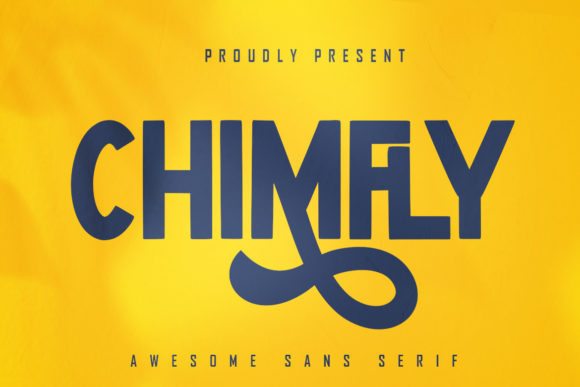
Chimfly is a sans serif typeface designed with a focus on simplicity and strength. Its clean lines and sharp edges give it a contemporary feel, while its bold weight adds a sense of confidence and authority. Unlike many other fonts that prioritize minimalism, Chimfly strikes a balance between elegance and power, making it versatile enough for both professional and creative applications.
Why Choose Chimfly?
- Modern Aesthetic: Chimfly’s design is inspired by geometric shapes and minimalist principles, making it ideal for modern web designs and branding materials.
- High Readability: Despite its bold appearance, Chimfly maintains excellent legibility, even at smaller sizes, which is crucial for digital interfaces.
- Wide Range of Weights: From light to extra bold, Chimfly offers multiple weights that allow designers to create dynamic typographic compositions.
- Cross-Platform Compatibility: As a web-safe font, Chimfly is supported across all major browsers and operating systems, ensuring consistent display regardless of the device used.
Use Cases for Chimfly
One of the most compelling aspects of Chimfly is its adaptability. Here are some real-world scenarios where this font shines:
- Web Design: Chimfly is perfect for headers, navigation menus, and call-to-action buttons. Its boldness helps draw attention without overwhelming the user.
- Business Cards: For a professional yet eye-catching look, Chimfly adds a touch of sophistication to contact information and company logos.
- Infographics: The font’s clean structure makes it an excellent choice for data visualization projects, where clarity and visual appeal are equally important.
- Branding Materials: From packaging to social media banners, Chimfly can help reinforce brand identity with its strong and memorable presence.
Designing with Chimfly: Best Practices
While Chimfly is a powerful tool, using it effectively requires some consideration. Here are a few tips to ensure your design remains balanced and impactful:
First, always pair Chimfly with complementary text fonts. Since it’s a bold sans serif, pairing it with a lighter, more traditional font can create a nice contrast and enhance readability in multi-layered designs.
Second, be mindful of spacing. Chimfly’s tight letterforms mean that proper kerning and line spacing are essential to avoid overcrowding. This is especially important when using it in body text or long paragraphs.
Third, consider the context in which you’re using Chimfly. While it excels in high-impact areas like headlines and buttons, it may not be the best choice for lengthy body text unless paired with a secondary font for better legibility.
Comparing Chimfly to Other Sans Serif Fonts
There are many popular sans serif fonts available, each with its own strengths and weaknesses. Let’s compare Chimfly to a few others to highlight its unique qualities:
- Helvetica: A classic and widely used font, Helvetica is known for its neutrality and versatility. However, it lacks the boldness and modern edge that Chimfly offers.
- Roboto: Roboto is another modern sans serif font that’s been widely adopted for web and mobile design. While it has a clean and friendly look, it doesn’t carry the same level of visual impact as Chimfly.
- Montserrat: Montserrat is a great option for headings and subheadings due to its strong, geometric structure. However, it’s less bold than Chimfly and may not convey the same level of confidence.
Chimfly stands out among these options because of its boldness and modern aesthetic. It’s not just another sans serif—it’s a statement font that can elevate your design from ordinary to extraordinary.
Where to Use Chimfly in Your Projects
Whether you’re a designer, developer, or small business owner, there are countless ways to incorporate Chimfly into your work. Here are a few ideas to inspire you:
- Logo Design: Use Chimfly as the primary font in your logo to create a strong and memorable brand identity.
- Social Media Content: Apply Chimfly to headlines, captions, and buttons to make your posts stand out in a crowded feed.
- Print Materials: From brochures to flyers, Chimfly can add a modern and stylish touch to printed materials.
- User Interface Elements: Incorporate Chimfly into UI components like buttons, labels, and navigation bars for a cohesive and visually engaging experience.
By integrating Chimfly into your workflow, you can create designs that are not only visually appealing but also functionally effective. Its bold character and clean structure make it a valuable asset in any designer’s toolkit.
Conclusion
Typography plays a vital role in how we communicate and engage with digital content. With Chimfly, you have access to a font that combines modern design with practical functionality. Whether you're building a website, creating marketing materials, or developing a new product, Chimfly offers a unique and powerful solution that can elevate your work to the next level.
As design trends continue to evolve, the demand for distinctive and meaningful typography will only grow. Chimfly is well-positioned to meet this need, offering a bold and versatile option that’s both stylish and effective. By embracing this font, you can create designs that not only capture attention but also leave a lasting impression.